
Valletta Food Tour
Travel Guide

Is Valletta Worth Visiting

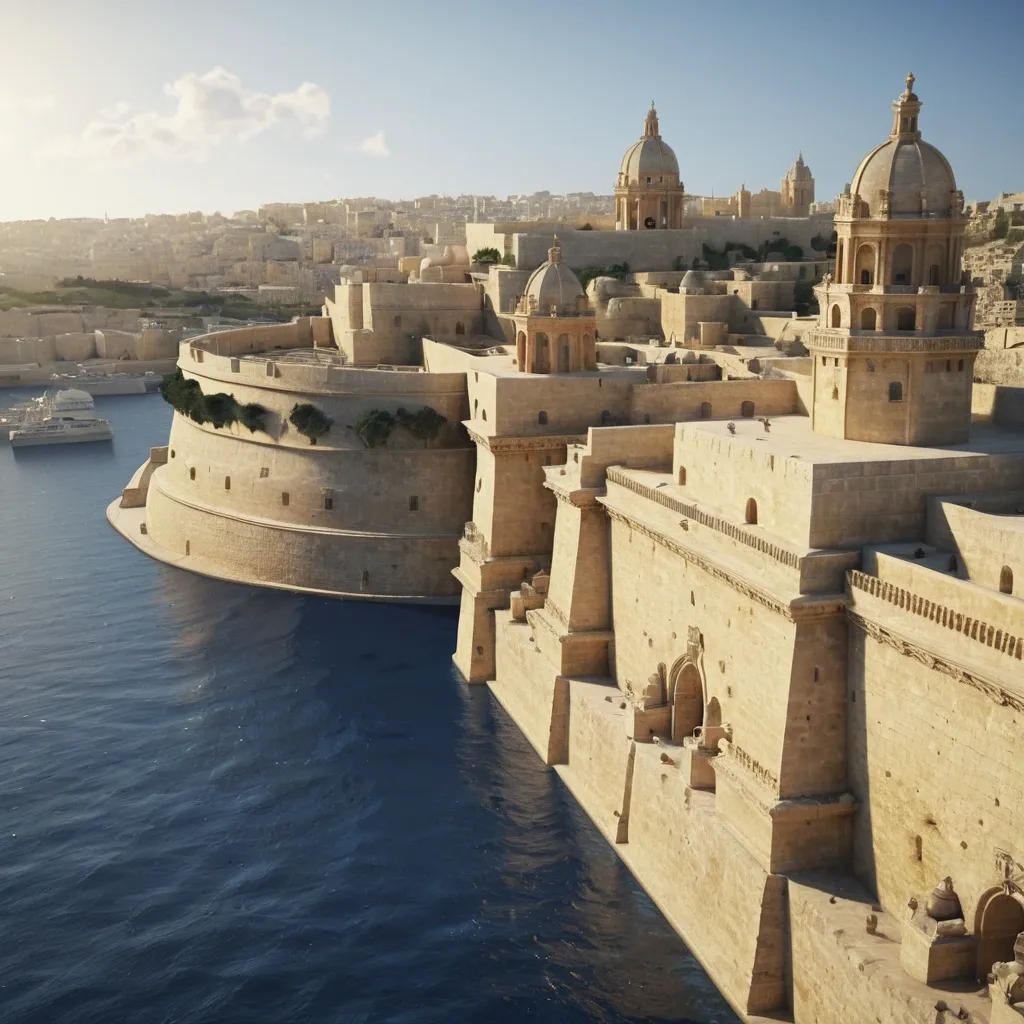
Valletta occupies just 0.8 square kilometers of limestone peninsula between two natural harbors. The entire city is a UNESCO World Heritage site, built by the Knights of St. John between 1566 and 1571. This guide answers whether the scale, density, and character justify the journey.

8 min read Updated 2026-08-19 Fact-checked
Is Valletta Worth Visiting

Quick answer

Valletta is worth visiting if you value concentrated baroque architecture, fortified urban design, and walkable historical density. The city covers less than one square kilometer yet holds eight centuries of Mediterranean military and religious heritage. Entry to the city itself is free; individual museums and palaces charge between 6 and 15 EUR. Most visitors allocate four to six hours to cover the major landmarks on foot.

Valletta holds the distinction of being Europe's smallest capital city, yet its 0.8 square kilometers contain more than 320 monuments. The entire urban grid was designed by Francesco Laparelli, a military engineer who worked under Michelangelo, and completed by his Maltese successor Girolamo Cassar. Every street runs on a planned axis, engineered to channel Mediterranean winds and maximize defensive sightlines from the bastions. The Knights of St. John ruled Malta for 268 years, and their legacy defines the cityscape. St. John's Co-Cathedral, completed in 1577, houses Caravaggio's Beheading of Saint John the Baptist—the largest work the artist ever signed. The Grandmaster's Palace, now the Office of the President, opens its State Rooms and Armory to visitors. The Upper Barrakka Gardens offer elevated views across the Grand Harbour to the Three Cities, a vantage that makes the island's strategic importance immediately legible. Valletta is a walking city. The peninsula measures 1,000 meters from City Gate to Fort St. Elmo, with a grid of parallel streets descending in stepped flights toward the harbors on either side. No point lies more than 300 meters from the central artery, Republic Street. The terrain is steep—some streets drop 40 meters in elevation—but public lifts connect the waterfront to the upper town at no charge. The street plan was built for siege defense, not vehicular traffic, and much of the historic core is pedestrianized. The question of whether Valletta merits a dedicated visit depends on tolerance for density and scale. Visitors accustomed to sprawling palace complexes or multi-district exploration will find the city compact, even austere. Those who value architectural legibility, preserved urban planning, and the ability to walk an entire capital in an afternoon will find it efficient and rewarding. The city does not manufacture novelty; it offers depth in a constrained footprint. The fortifications, street grid, and baroque interiors remain materially intact, and the bones of the 16th-century plan remain visible at every intersection.

“Every street runs on a planned axis, engineered to channel Mediterranean winds and maximize defensive sightlines from the bastions.”
Timing

When Is Valletta Worth Visiting for Optimal Weather and Crowds?

The best arrival window is 09:00–17:00, which provides enough daylight to explore the city while ensuring most museums and landmarks remain open. Visiting during shoulder seasons balances comfortable temperatures with manageable pedestrian traffic.

Spring (April–May)

Moderate

Mild with temperatures 18°C–24°C

The city is vibrant with blooming flora and lower visitor volumes compared to summer.

Summer (June–August)

High

Hot with temperatures 28°C–32°C

Expect intense heat and significant crowds, making early morning exploration necessary.

Autumn (September–October)

Moderate

Warm with temperatures 22°C–27°C

Sea temperatures remain high and the weather is ideal for walking the city streets.

Winter (November–March)

Low

Cool with temperatures 12°C–17°C

Visitor numbers are at their lowest, though outdoor activities are subject to occasional rainfall.

Verdict: For the best balance of manageable crowds and mild weather, arrive between 09:00–17:00 during the months of April or October.

Prices

Is Valletta Worth Visiting Without an Entrance Fee?

Valletta is a public city, meaning there is no cost to enter or explore its streets. Cultural attractions and museums within the city maintain their own independent admission fee structures.

City Entry Free access to all public areas.
0 EUR
Museum Admission Check individual site pricing.
Varies by venue
Historical Sites Fees set by respective operators.
Varies by venue
Entry to the city of Valletta is free for all visitors at all times.

Verdict: A visitor pays 0 EUR to enter Valletta, with total costs depending solely on which specific museums or sites they choose to visit.

Directions

How to Plan Your Journey and Is Valletta Worth Visiting via Public Transport?

Valletta is located on a peninsula and serves as the central hub for Malta's public transportation network. Most visitors arrive via the central bus terminus located just outside the City Gate or by ferry from nearby coastal towns.

Bus 30–60 min

Malta Public Transport lines to Valletta Terminus

Boat 15 min

Valletta Ferry from Sliema to Marsamxett

Boat 10 min

Valletta Ferry from Three Cities to Grand Harbour

Arriving by ferry from Sliema or the Three Cities provides a direct approach to the city walls and avoids road traffic near the main entrance.

What to see

Top Landmarks That Make Valletta Worth Visiting

Valletta features a dense concentration of architectural and cultural landmarks within its compact fortified walls. Exploring these specific sites provides a clear view of the city's artistic and political heritage.

St. John's Co-Cathedral

St. John's Co-Cathedral

This cathedral houses The Beheading of Saint John the Baptist by Caravaggio and features an ornate Baroque interior. The marble tombstone floor covers the graves of knights from the Order of St. John.

Arrive early to avoid queues at the main entrance.
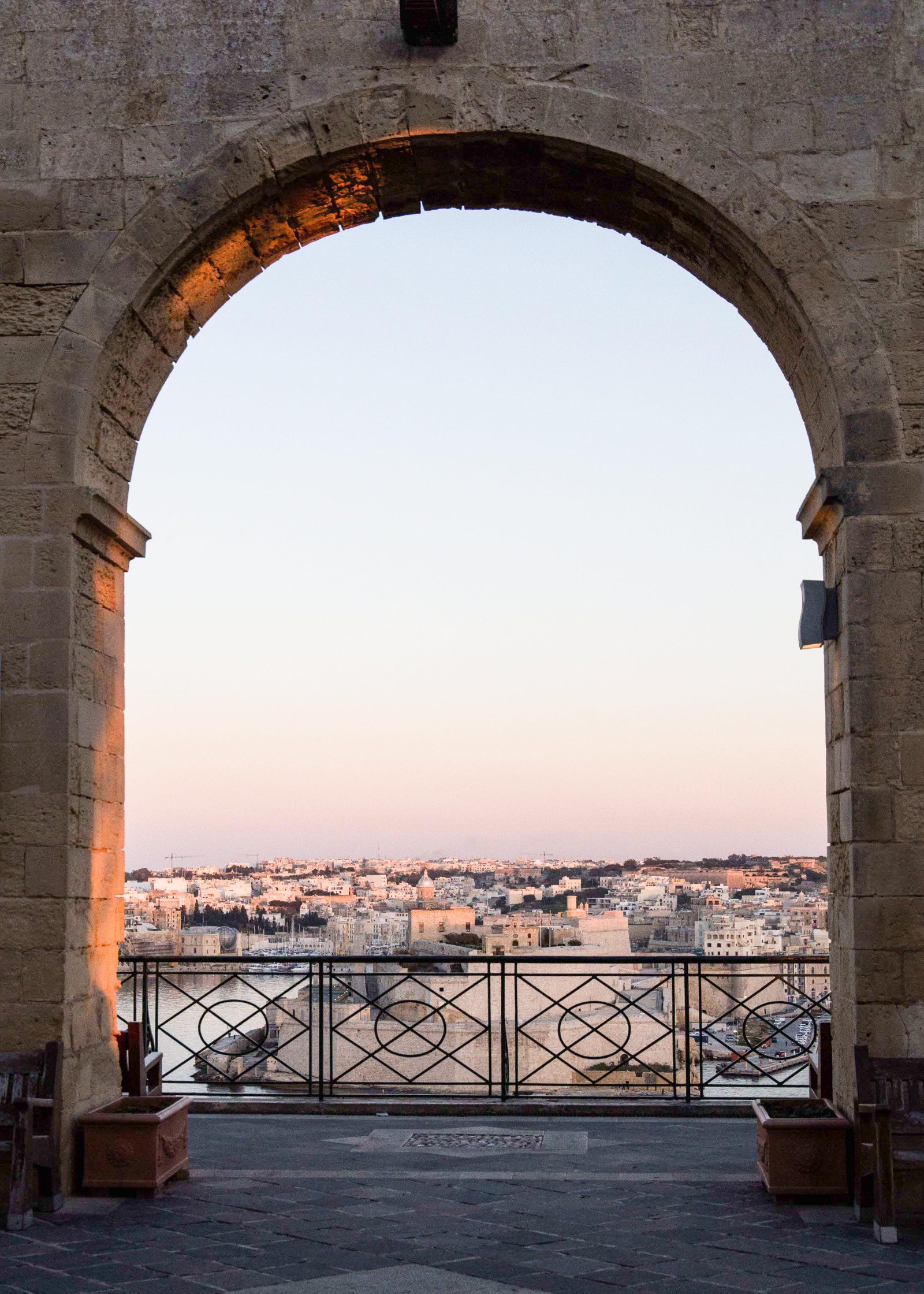
Upper Barrakka Gardens

Upper Barrakka Gardens

These public gardens offer elevated views of the Grand Harbour and the Three Cities. Visitors can observe the daily firing of the saluting battery from this vantage point.

Visit just before noon to see the cannon salute.

Grandmaster's Palace

Grandmaster's Palace

Serving as the administrative center for centuries, this building contains the State Rooms and the Palace Armoury. It reflects the governance and military history of the city under the Knights of Malta.

Check which rooms are accessible before planning your visit.

National Museum of Archaeology

National Museum of Archaeology

Located in the Auberge de Provence, this museum displays artifacts from Malta's prehistoric periods. Highlights include the Sleeping Lady figurine and the Venus of Malta.

Look for the terracotta statuettes in the prehistoric gallery.

Food & drink

Is Valletta Worth Visiting for Its Local Gastronomy?

Valletta offers a diverse culinary landscape ranging from historic cafes along Republic Street to contemporary Mediterranean kitchens tucked into side alleys. Visitors can choose between high-end dining experiences within the fortified walls or seek out smaller establishments in the nearby residential districts for local pricing.

Caffe Cordina

€€

café

A historic establishment located on Republic Street serving traditional pastries and light meals.

Is-Suq tal-Belt

market

A restored indoor food market near the Grandmaster Palace offering various international and local food stalls.

Nenu The Artisan Baker

€€

restaurant

Located on St. Dominic Street, this venue specializes in traditional Maltese ftira and local bread-based dishes.

Merchant Street Market

street

A collection of stalls near the city center where visitors can find local produce and quick bites.

Book

Check availability

Frequently asked

Frequently Asked Questions About Visiting Valletta

Everything you need to know about is valletta worth visiting

Is Valletta worth visiting for a day trip?

Valletta is a compact UNESCO World Heritage site, making it ideal for a day trip. You can explore the fortified city walls, baroque architecture, and harbor views at your own pace. Many travelers find that is valletta worth visiting for its high density of cultural landmarks and historic charm.

How much does it cost to enter Valletta?

Entry to the city is 0 EUR, meaning there is no cost to walk through the gates. While public access to streets and piazzas is free, individual museums and specific attractions charge separate admission fees. Checking official sites for these localized costs helps you manage your budget before you arrive.

Is Valletta worth visiting if I am interested in history?

Given its status as a Grand Master stronghold, is valletta worth visiting for history enthusiasts is a common recommendation. The city features narrow limestone streets and ornate cathedrals that reflect centuries of Mediterranean influence. Walking through the capital feels like exploring an open-air museum filled with knights' legacy and military fortification.

What is the best time for is valletta worth visiting?

The best arrival window is 09:00–17:00 to balance daylight and crowd levels. This timeframe ensures all museums and landmarks are open for your visit. Many visitors agree that is valletta worth visiting during these hours provides the most complete experience.

Is Valletta worth visiting with children?

The city is generally stroller-friendly in main areas, though the steep streets and limestone stairs require planning. Families often find the public gardens and harbor vistas engaging for younger visitors. With plenty of open space, many parents conclude is valletta worth visiting is a sound choice for a family excursion.

What is a common mistake when planning a trip to Valletta?

A common mistake is rushing through the narrow alleys without stopping to appreciate the hidden courtyards. Travelers often underestimate the time required to walk the historic districts. Prioritizing a guided culinary tour helps you avoid tourist traps and experience authentic local flavors.

Keep reading

More guides & pages