
English| EUR
Suggested for you
More currencies
Choose a language
The cost of food in Malta spans a wide range, from €3 pastizzi at corner bakeries to €30 harbourfront dinners. Valletta's compact streets hold both tourist-facing restaurants and the working cafés that feed the city's residents. This guide breaks down what you'll pay across meal types, venues, and shopping options.
Quick answer
The cost of food in Malta typically runs €25-€45 per person daily when eating out, with sit-down restaurant mains priced €12-€22, casual eateries €6-€12, and street food €3-€6. Self-catering from markets and supermarkets drops the daily figure to €10-€15. Prices in Valletta's tourist corridors run 20-30% above neighbourhood spots, and summer sees modest upticks at popular venues.
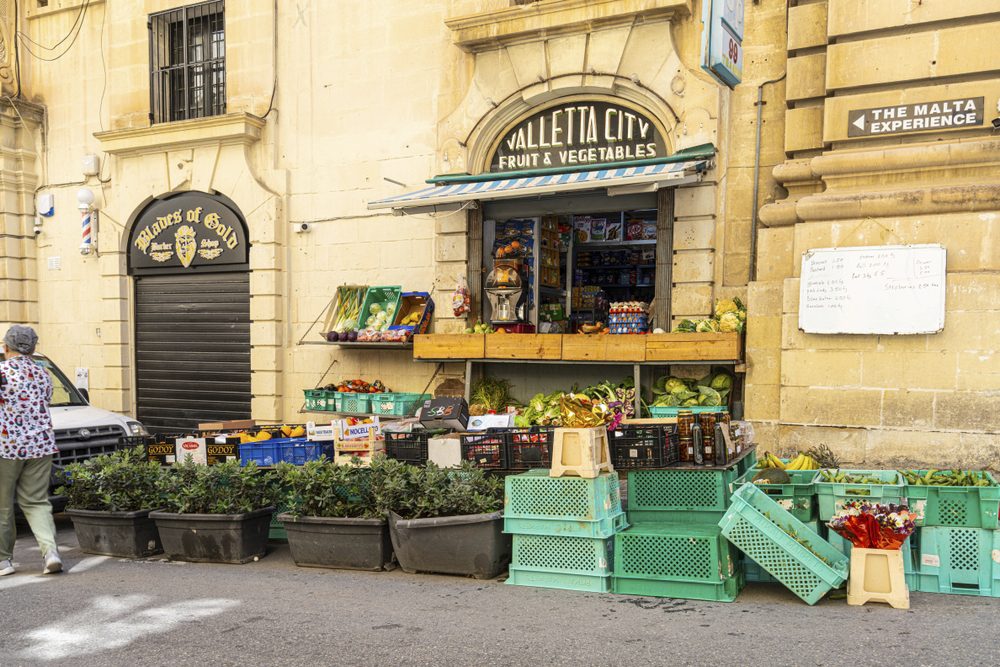
Malta imports roughly 80% of its food, a geographic reality that underpins every menu and market stall. The island's cuisine reflects centuries of Mediterranean trade—Sicilian, North African, and British influences layered into a local repertoire built on rabbit stew, lampuki pie, and honey-drenched pastries. What you pay depends less on the dish than on the venue's proximity to cruise terminals and hotel zones. Valletta's restaurant scene divides into clear tiers. Trattoria-style spots along Republic Street and near St. John's Co-Cathedral charge €15-€22 for pasta, grilled fish, or braised meat with sides. A glass of Maltese wine adds €4-€6, a local Cisk beer €3-€4. Two-course lunches with house wine land around €25-€30 per person before tip. Off the main arteries—down Old Bakery Street or near the covered market—family-run eateries serve ħobż biż-żejt, ftira, and daily specials for €6-€10. Street vendors near the bus terminus sell pastizzi, the ricotta or pea-filled pastry that anchors Malta's snack culture, at €0.60-€1 each. Supermarkets in Valletta are sparse; most visitors walk to the Busy Bee on Merchants Street or head to larger chains in Floriana. A day's groceries—bread, cheese, tomatoes, olives, fruit—cost €8-€12. The Saturday morning market at Merchant Street offers seasonal produce, but prices mirror supermarket rates rather than undercutting them. Dining expenses in Malta reward flexibility: alternating restaurant meals with market-bought picnics, choosing lunch menus over dinner à la carte, and walking five minutes off Republic Street can halve your daily outlay. The cost of eating well here is moderate by European standards, provided you eat where the rhythm of the city—rather than the cruise schedule—sets the pace.
“Malta imports roughly 80% of its food, a geographic reality that underpins every menu and market stall.”
Daily food expenses in Valletta vary based on your dining style, ranging from quick local snacks to full-service meals. Planning for these costs helps manage your overall travel budget effectively.
How to spend less
Verdict: Expect to spend between 50 EUR and 100 EUR per person daily for a comfortable mix of casual and seated dining.
Visiting during the shoulder seasons of April to May and October to November balances moderate temperatures with manageable crowds. Planning your meals during the best arrival window of 09:00–18:00 ensures access to full menus at Valletta's markets and restaurants.
Mild, 18°C–25°C
This period offers the best balance of comfortable dining weather and local food availability.
Hot, 28°C–32°C
Expect busier restaurants and higher demand; advance planning for dining is recommended.
—
Arriving during this window provides the quietest atmosphere for market visits and casual cafe dining.
—
This is the primary timeframe for lunch and food tours when most establishments operate at full capacity.
Verdict: The best time for value and quality is during the shoulder months of April or October, focusing your activity within the 09:00–18:00 window.
Navigating Valletta dining requires local knowledge to balance quality with practical expenditure.
These small bakeries offer traditional ricotta or pea-filled pastries for very low prices throughout the day. They provide a reliable, inexpensive snack that keeps you fueled while exploring the city.
Restaurants located directly in major squares often carry higher premiums for their location. Walking two streets away from primary tourist hubs frequently reveals better value and more authentic local fare.
Utilizing neighborhood grocers and markets for fresh produce, cheeses, and Maltese bread allows for cost-effective picnicking. This is a common practice among locals who prefer high-quality ingredients over dining out for every meal.
Ordering house wine or local Maltese beer is significantly more affordable than selecting imported brands. Establishments in Valletta often provide quality local labels at a fraction of the cost of international options.
Many kitchens prepare blackboard specials based on seasonal availability rather than the standard printed menu. These dishes are typically priced competitively and reflect the freshest ingredients currently in the market.
Everything you need to know about cost of food in malta
The overall cost of food in malta varies depending on whether you choose casual street eats or sit-down Mediterranean dining. Travelers can expect fluctuating prices based on seasonal demand and local ingredient availability. Setting a daily budget helps manage your total expenditures effectively.
While Valletta is the capital, the cost of food in malta remains relatively consistent with other popular tourist hubs. You will find a wide range of pricing options, from budget-friendly pastizzerias to upscale eateries serving traditional rabbit stew. Prices generally reflect the quality and preparation time of the local cuisine.
Dining out is a popular way to experience the culture, though the cost of food in malta can add up if you eat in prime tourist plazas every day. Many visitors find that local wine and fresh fish offer excellent value for the price. Consider exploring side streets for hidden gems with lower menu prices.
Managing your budget is easier when you balance occasional restaurant meals with local bakery visits. The cost of food in malta can be kept low by enjoying fresh seasonal produce from open-air markets. Opting for water instead of imported soft drinks is another simple way to save.
The best arrival window for visiting local restaurants and markets is 09:00–18:00. This period aligns with general business hours for most dining establishments in the city. Planning your meals within this timeframe ensures you have access to the freshest ingredients.
There is no entrance fee for public markets or dining areas in Valletta, as the entry fee is 0 EUR. You are free to browse and explore the culinary scene without any initial ticket costs. This makes it easy to research your options before committing to a meal.
Best Valletta Food Tours
Read more Tickets & toursValletta Food Walking Tours
Read more Tickets & toursWalking Tours with Tastings
Read more GuideIs Valletta Worth Visiting?
Read more Tickets & toursStreet Food and Culture Tour
Read more Tickets & toursValletta Street Food Tour
Read more Tickets & toursValletta Evening Food Tour
Read more